Use It Or Lose It. AI And Detraining The Brain.

In the past century, the invention of machines has radically transformed the way we live and work. While machines have made life easier and more convenient, they’ve also had unintended […]
RPL: Recognition of Prior Learning
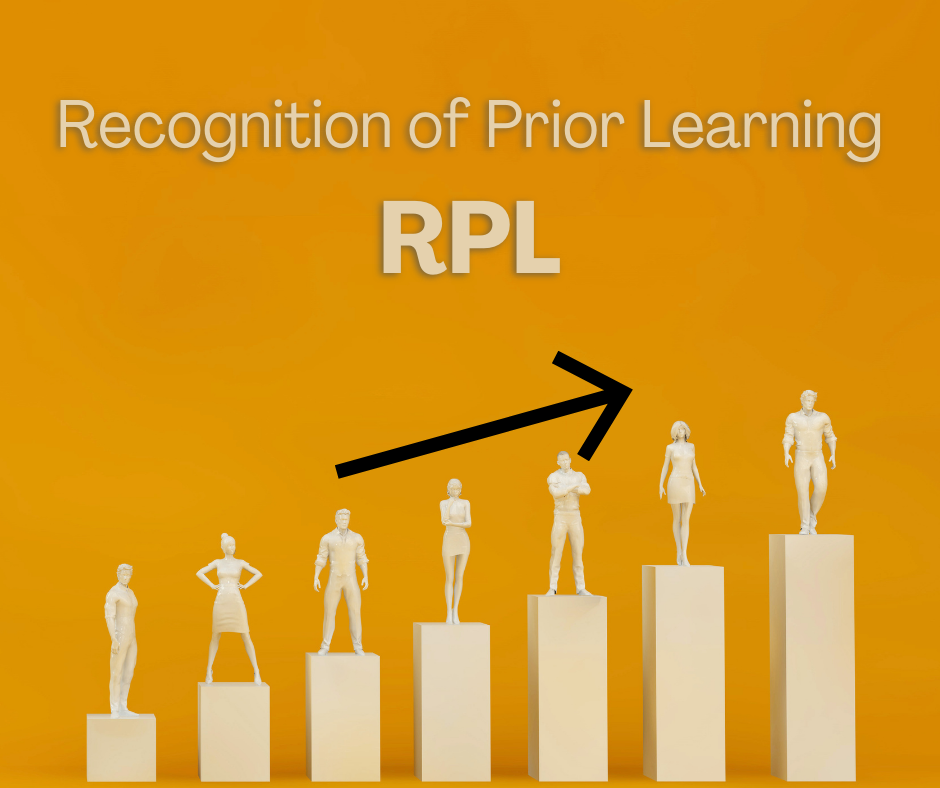
Did you know that you may be eligible to have your past studies and/or work experience count as RPL towards the achievement of units of competency in your courses?
This means that you could be exempt from some of the unit of competencies and/or subjects in your course, and be able to complete your qualification in a shorter period of time.
Help Your Teen after Year 12: Is a Career in Fitness the Right Choice?
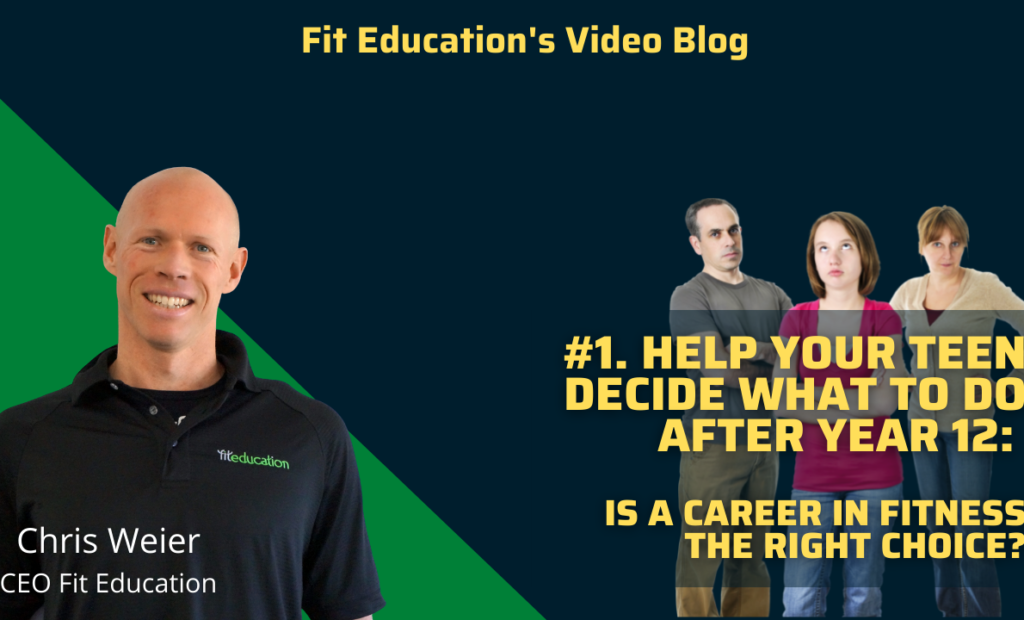
Graduating from high school can be an exciting yet daunting time for students and parents alike. With so many options available, it can be challenging to decide on the right […]
Fitness Industry Pathway: What Jobs Can I Get with Different Fitness Courses?
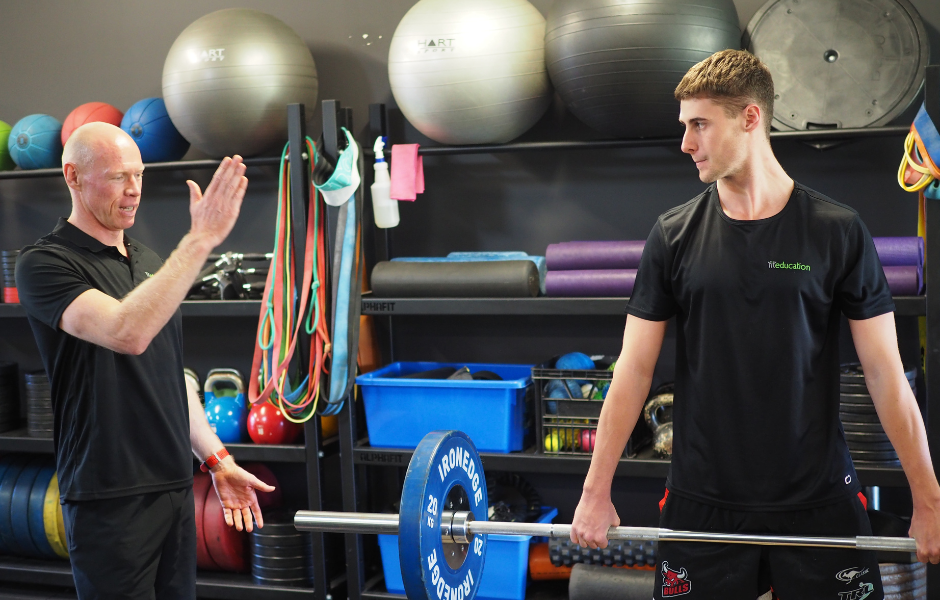
Fitness Industry Pathways: The fitness industry is set to continue to grow and expand.
The Sports Industry Lacks Female Coaches
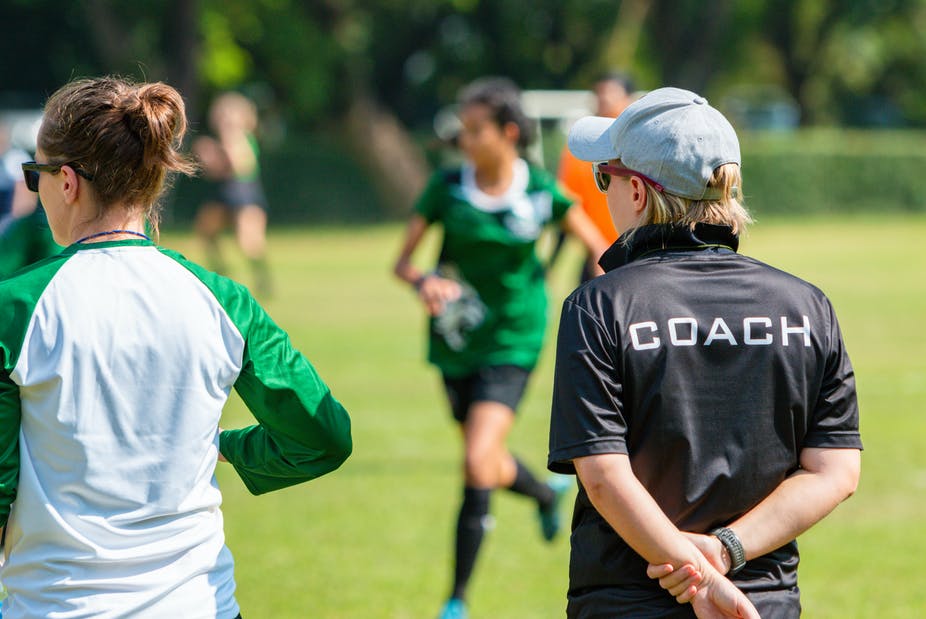
Women in Coaching Roles Within Australian sport research, there is a lack of information about women in elite coaching roles. The sports industry lacks female coaches, and this under-representation highlights […]
How to Become a Coach/Mentor Partner with Fit Education
Fit Education provides on-line learning and assessment opportunities for students to obtain their SIS20115 Certificate II in Sport and Recreation, SIS30321 Certificate III in Fitness, SIS40221 Certificate IV in Fitness and SIS50321 Diploma […]
Play Basketball and Study a Diploma of Sport: The Brian Kerle Basketball Academy

At Fit Education, we have been honored to partner with the Brian Kerle Basketball Academy for many years, creating a synergy that has empowered countless student-athletes to flourish both on the court and in their careers. Here’s how our long-standing collaboration continues to make dreams come true.
Why Do we Always Forget about Preventive Health?
What were the major party’s preventative health strategies? An internet search comes up with nothing. They were non-existent. We know that prevention is better than cure. Data, research, and history have continually shown a four-fold return on investment to the health budget. We know that exercise improves physical and mental health.
Choosing the Right Fitness RTO for Your Career – A Comprehensive Guide

Hello future fitness professionals! Deciding to become a personal trainer or a fitness instructor is a life-changing choice. The fitness industry in Australia is highly competitive, and you need the best education to stand out.
5 Benefits of Online Personal Training for Busy Australians
Let’s dive into five reasons why online personal training is a real game-changer for those with demanding schedules: