
5 Key Skills You’ll Learn in a Personal Training Course
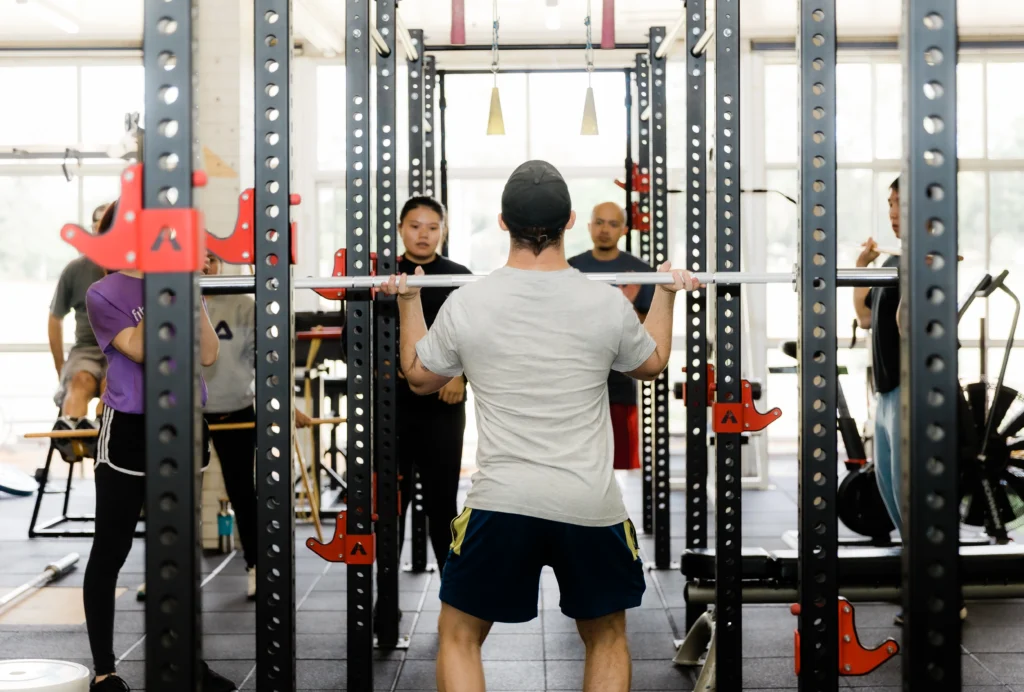
Personal training is a rewarding career that combines a passion for fitness with the opportunity to help others achieve their health and wellness goals. With the increasing demand for skilled […]
Coaching Junior Teams for Success and Enjoyment
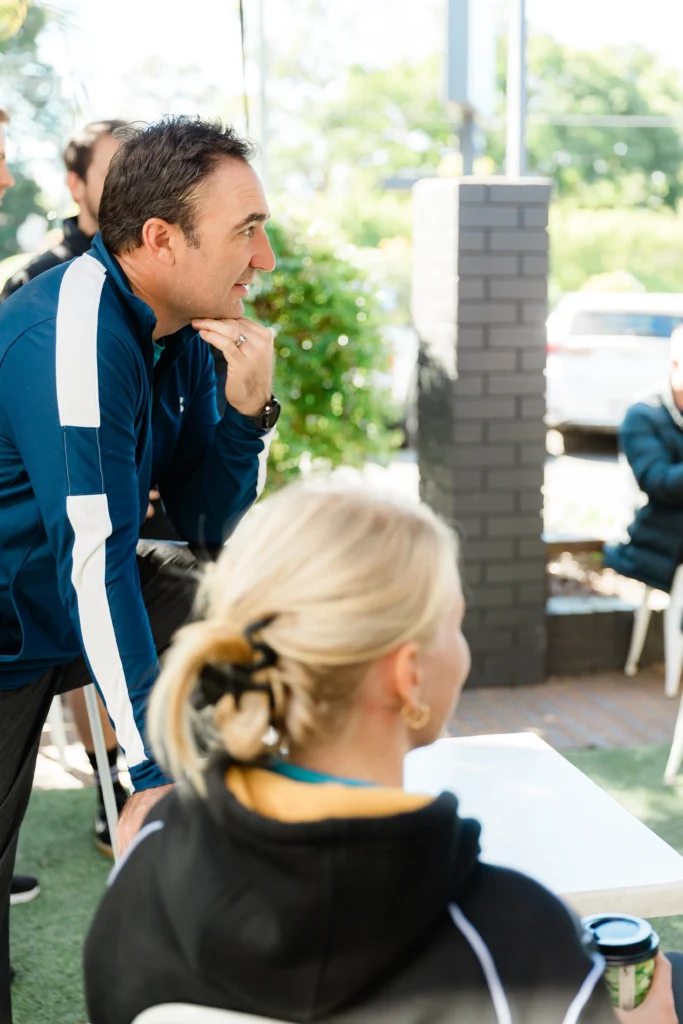
Junior sports play a significant role in Australia, with thousands of children participating every Friday, Saturday, and Sunday mornings. From the fields in local parks to the grand stages of […]
The Power of Business Principles in Sport: How Sound Business Practices Drive Sporting Success
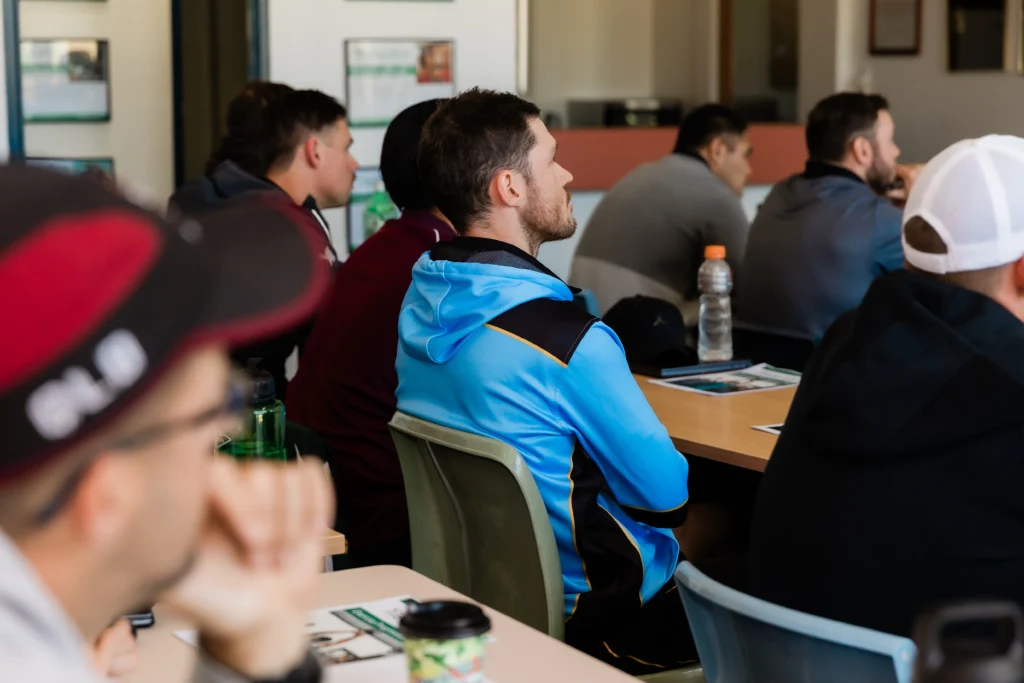
In the world of sports, the successful application of business principles can greatly enhance the development and outcomes of sporting programs. Through personal experiences and observing renowned coaches, it becomes […]
Help Your Teen after Year 12: Is a Career in Fitness the Right Choice?
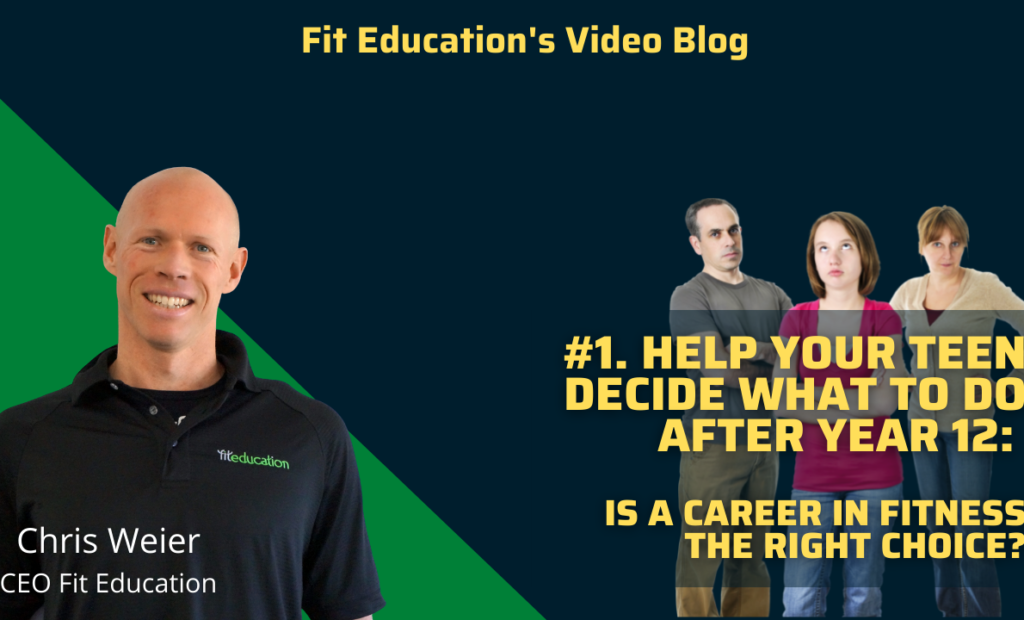
Graduating from high school can be an exciting yet daunting time for students and parents alike. With so many options available, it can be challenging to decide on the right […]
Fitness Industry Pathway: What Jobs Can I Get with Different Fitness Courses?
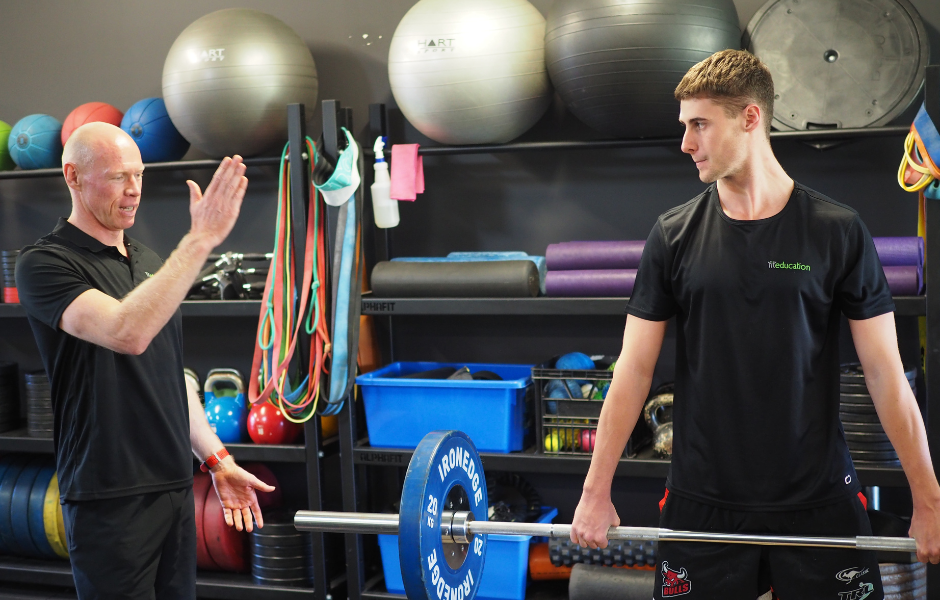
Fitness Industry Pathways: The fitness industry is set to continue to grow and expand.
The Sports Industry Lacks Female Coaches
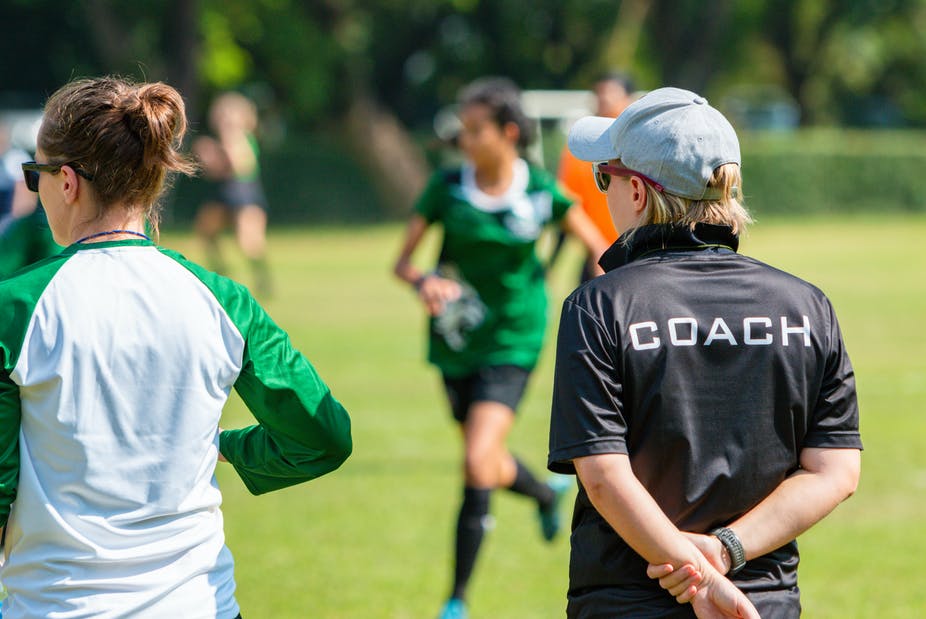
Women in Coaching Roles Within Australian sport research, there is a lack of information about women in elite coaching roles. The sports industry lacks female coaches, and this under-representation highlights […]
Play Basketball and Study a Diploma of Sport: The Brian Kerle Basketball Academy

At Fit Education, we have been honored to partner with the Brian Kerle Basketball Academy for many years, creating a synergy that has empowered countless student-athletes to flourish both on the court and in their careers. Here’s how our long-standing collaboration continues to make dreams come true.
What is Recovery?
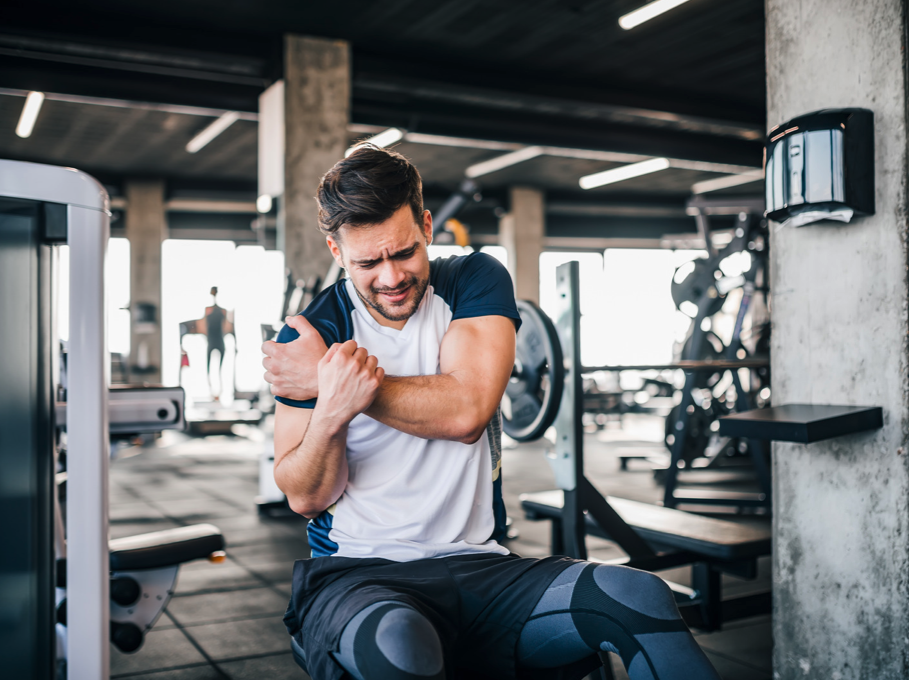
What is recovery? Recovery is one of the most underrated aspects of a fitness journey, sport training or everyday life.
Breaking Unhealthy Habits
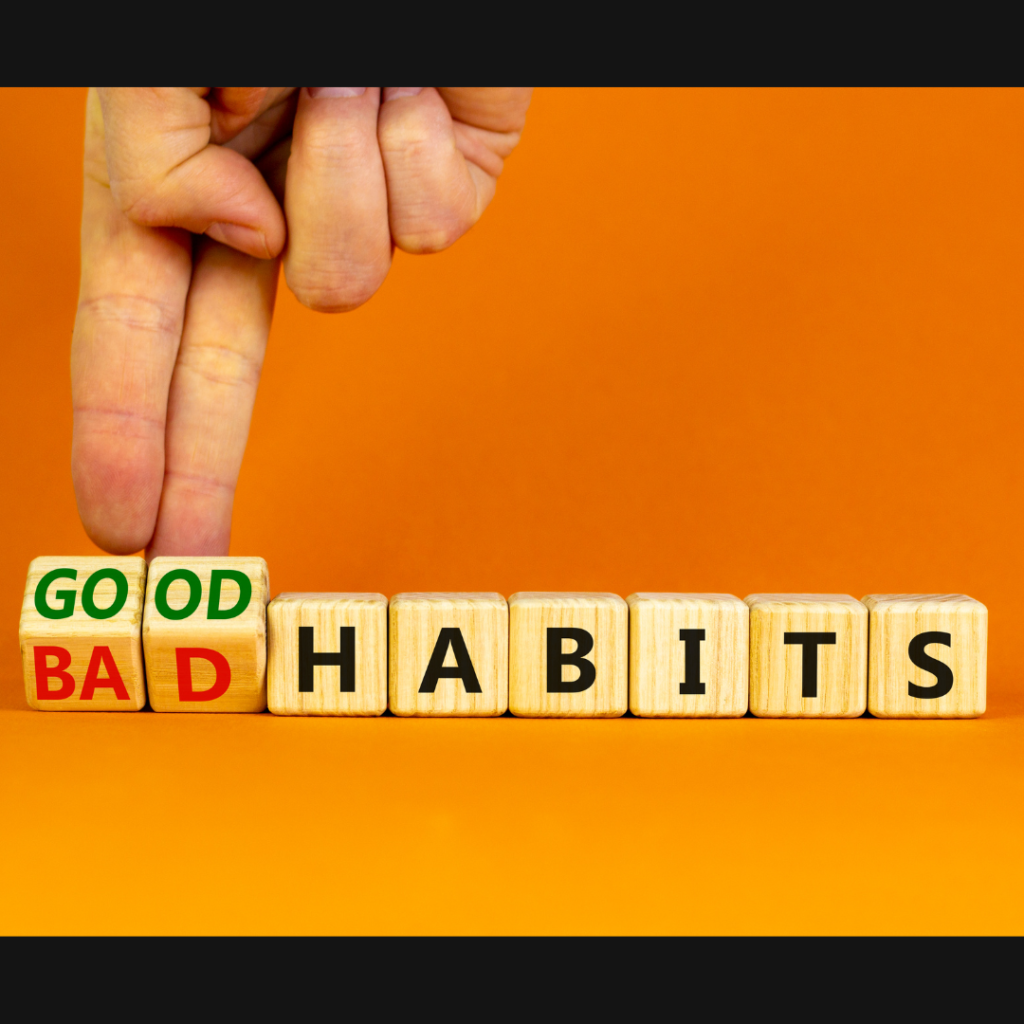
Habit: usual way of behaviour or a tendency that someone has settled into.
Whether it’s our morning routine or our night time bed routine that we can’t go to bed until all steps are followed, habits are regular activities done in the same place, same time and with the same people. We are all creatures of habit.
How exercise can reduce pain
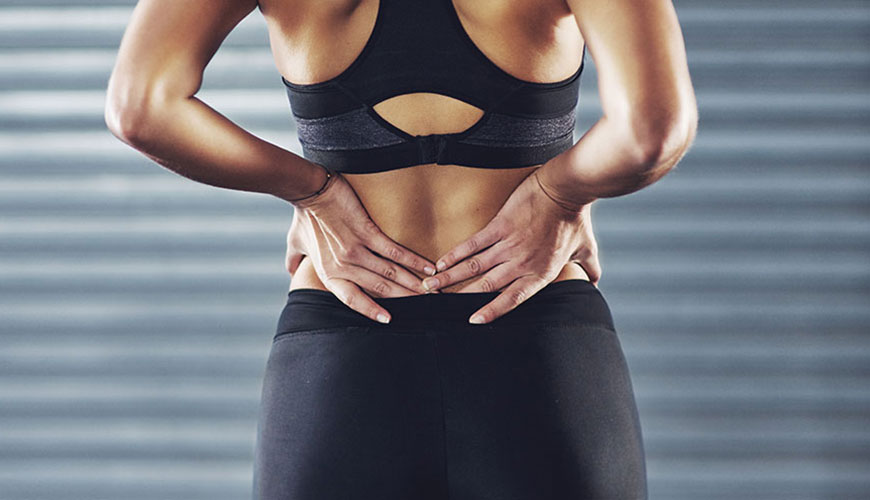
When we are in pain sometimes movement or exercise is the last thing we want to do, however exercise and movement are some of the fundamental aspects in management for persistent pain.
Exercise has been proven to improve post surgery recovery, or any recovery for that matter, reduce side effects for conditions such as diabetes, cancer, heart attacks, and some neurological conditions.
As exercise can improve function, wellbeing and pain levels.